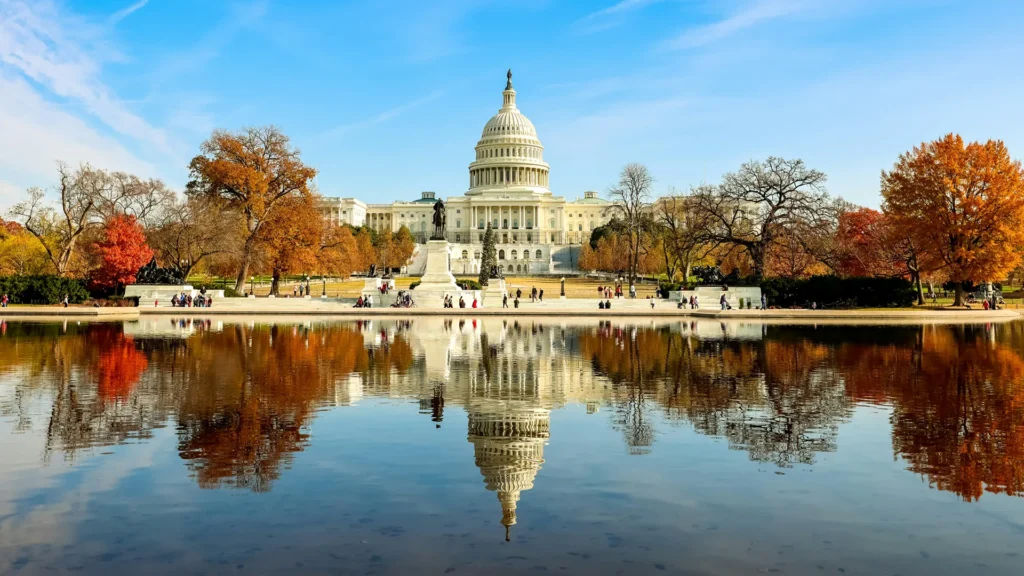

Sometimes a bill comes along that reshapes the landscape for businesses, families, and industries all at once. That’s exactly what happened this summer when Congress passed the One Big Beautiful Bill Act (OBBBA), a sweeping tax package signed into law on July 4, 2025.
At our September Lunch & Grow, members had the chance to hear directly from JP Delmore, NAHB’s Senior Vice President for Government Affairs, who walked us through the details. It was an eye-opening session that broke down what this law means specifically for the building industry, where we stand to gain, where we need to adapt, and how to prepare for the years ahead.
Certainty for Small Businesses
One of the biggest wins is the permanence of the 199A pass-through deduction. Many of our members operate as pass-through businesses, and this deduction, locked in at 20%, offers real certainty for long-term planning. Instead of worrying about expiration dates, builders can invest with confidence, knowing this benefit is here to stay.
Boosting Investment
Another major change is the restoration of 100% bonus depreciation, made permanent starting January 2025. For builders, this means upfront tax benefits when purchasing equipment, vehicles, or materials. In an industry where capital costs are high, this provision frees up dollars to reinvest directly into projects and payroll.
Housing Affordability Tools
Housing affordability remains one of the defining challenges for our industry. OBBBA strengthens the Low-Income Housing Tax Credit (LIHTC) by permanently increasing credits 12% and lowering the bond test to 25%. These adjustments are projected to finance an additional 1.22 million affordable rental homes nationwide over the next decade. For communities like ours, where workforce housing is always in demand, these tools could be transformative.
Still, there are hurdles. Several energy efficiency tax credits, including Section 45L for energy-efficient homes, now face earlier expiration dates, some as soon as 2025. Builders who have relied on these incentives will need to adjust quickly.
Regional Development Opportunities
OBBBA also makes the Opportunity Zone program permanent, with new designations beginning in 2026. For builders, this could mean fresh opportunities in rural or underserved areas where investment has been slow. It’s a reminder that tax policy doesn’t just affect the bottom line, it can also shape where growth and development happen.
Estate, SALT, and AMT—Industry Impacts
Other provisions carry important implications for builders:
- Estate tax exemption raised to $15 million, easing succession planning for family-owned building businesses.
- SALT deduction cap lifted to $40,000 through 2029, providing relief in higher-tax states.
- Alternative Minimum Tax changes raise exemptions and thresholds, reducing surprise tax burdens for both individuals and businesses.
Why It Matters
JP’s presentation underscored that OBBBA is both a challenge and an opportunity. It delivers stability on issues like pass-through income and depreciation while reshaping incentives tied to affordability and energy efficiency. For our members, understanding these provisions isn’t just about tax planning, it’s about staying competitive and ready for the future.
Thank You and Looking Ahead
We thank JP Delmore for taking the time to share his expertise and for connecting national policy directly to our work in the building industry. For those who couldn’t attend, his slides are available through the association office, and we encourage you to review them closely.
Events like Lunch & Grow are designed for exactly this purpose, helping us understand the policies shaping our industry and ensuring we’re prepared for what comes next.